

Account security is easy to overlook when comparing lussurio casino with other CAD online casinos. Yet a smooth sign-up process is only part of the decision. Canadian players should also understand what information may be requested, how identity checks can affect withdrawals, and which habits reduce the risk of account takeover. The available information describes an offshore operator serving Canadian customers, with CAD support and Know Your Customer procedures. That makes verification, payment ownership and careful credential management especially important before an account is funded.
Separate account creation from identity verification
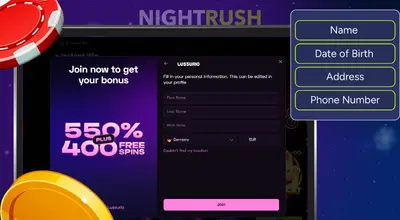
Registration and verification are related but different steps. Creating an account generally requires accurate personal and contact information, such as a legal name, residence details and an email address or telephone number. The player may also select an account currency and accept the operator’s terms. Confirming an email address or phone number can establish access to those contact channels, but it does not necessarily complete a full identity review.
A Know Your Customer check is more comprehensive. It may involve a government-issued identity document, proof of residential address and evidence that the person owns the deposit or withdrawal method. These requests are commonly connected with anti-fraud and payment-compliance procedures. They can arise during registration, before a withdrawal, after unusual account activity or when information needs to be updated.
Use consistent information from the beginning. A shortened name, old address or mismatched date of birth can create avoidable questions later. Before submitting anything, check that uploaded documents are current, readable and not cropped in a way that hides relevant details. If the operator’s stated requirements are unclear, ask support which documents and file formats are accepted rather than sending unnecessary personal material.
Why verification can delay a withdrawal
Identity review is not always completed immediately. Published information associated with the platform describes verification or pending-review periods of up to 72 hours, while noting that additional checks may extend the process. A delay does not by itself prove that an account has been mishandled. Reviews can involve the identity document, address, payment ownership, duplicate-account concerns or the source of a particular transaction.
Game-provider reviews can also affect the timing of a payout. Available reports mention cases involving delayed verification, alleged duplicate accounts and withdrawals paused while a provider review takes place. These reports should encourage careful record-keeping, not assumptions about the outcome of every account. Read the applicable terms before depositing, particularly the rules concerning one account per person, personal information changes and payment-method ownership.
If a withdrawal is pending, avoid opening another account or repeatedly changing profile details. Keep copies of the submitted documents, confirmation emails, transaction references and support conversations. A concise request should state the account identifier, the date of the withdrawal and the exact status shown in the account area. Do not send full card numbers or unrelated identity documents unless the stated process specifically requires them.
Use stronger credentials and safer recovery habits
A casino account should have a password that is unique to that service. Reusing an email password is particularly risky because access to the email account may allow someone to reset the casino password, intercept notices or manipulate recovery requests. A long passphrase made from unrelated words can be easier to manage than a short, complicated phrase, provided it has not been used elsewhere.
Secure the email address or phone number attached to the account as carefully as the account itself. Use a reputable password manager where practical, enable multi-factor authentication if the service offers it, and keep recovery details current. The available information does not consistently document every authentication or recovery option, so users should not assume that an authenticator app, security key or SMS confirmation is available.
Be cautious with urgent messages requesting credentials, payment details or identity files. Access the official website by entering the address yourself rather than following an unexpected message. Check the spelling of the domain and avoid uploading documents through social-media messages or unfamiliar forms. The Canadian Centre for Cyber Security provides general guidance that can help users assess suspicious online activity and protect their accounts.
Protect documents and payment information during checks
Identity documents contain information that can be misused beyond the original transaction. Before uploading a file, confirm that the request appears inside the account’s recognised verification process or comes through an established support channel. Review the operator’s instructions to see whether a document must show all four corners, a particular date or a visible address. Do not add markings that make the document unreadable.
Payment ownership checks deserve similar care. A request may ask for evidence connected with a card, e-wallet or bank account used for a deposit. Only provide the information requested, and follow any instructions about concealing sensitive digits or security codes. Never disclose a card PIN, online-banking password or one-time authentication code to customer support. A genuine verification process should not require those secrets.
Keep a private log of what was sent and when, but store copies securely. If a document is rejected, ask what specific defect needs correction instead of sending several versions to different addresses. Also check whether the account name, payment name and identity document name match. Differences caused by joint accounts, prepaid instruments or third-party funding may require clarification before a withdrawal can proceed.
Make account decisions before depositing
Security is partly a technical issue and partly a decision about exposure. Before adding funds, determine which currency the account will use, which payment route will be associated with it and whether that method can later be used for a payout. CAD is described as a supported currency, but displayed thresholds and available methods may vary by country, bank, currency and cashier profile.
Read the account rules before accepting a promotion or making a large deposit. Bonus conditions, minimum play-through requirements, payment ownership checks and withdrawal rules can all affect when funds are available. A deposit may also need to be played through before withdrawal even when no bonus was accepted. Treat any stated processing period as indicative rather than guaranteed, since verification or compliance reviews can add time.
Finally, set practical controls before play begins. The available information lists deposit, wagering and loss limits, session limits, reality checks, cooling-off periods and self-exclusion tools. These controls do not replace good password practice, but they can limit financial exposure if an account is compromised or activity becomes difficult to monitor. Review account notifications regularly, sign out on shared devices and contact support promptly if a login, payment or personal detail looks unfamiliar.
Account security questions from Canadian players
Should verification be completed before making a deposit?
Not necessarily. The account process may allow registration and funding before a full Know Your Customer review, but a withdrawal can still require identity, address and payment-ownership documents. Check the operator’s current requirements before depositing, and use matching personal information from the start to reduce avoidable delays.
What should I do if my account becomes restricted?
Use the recognised login-recovery or support route and request the reason for the restriction. Provide only the documents or transaction details specifically requested, keep copies of communications and avoid creating a second account. Restrictions may relate to incomplete KYC, duplicate-account concerns or a payment review.
Is a browser account safe on a mobile device?
A mobile browser can be used more safely when the device is updated, protected by a screen lock and connected through a trusted network. Avoid public computers, unsecured Wi-Fi and saved passwords on shared devices. A browser version should not be confused with a dedicated mobile application unless an official app listing is confirmed.
